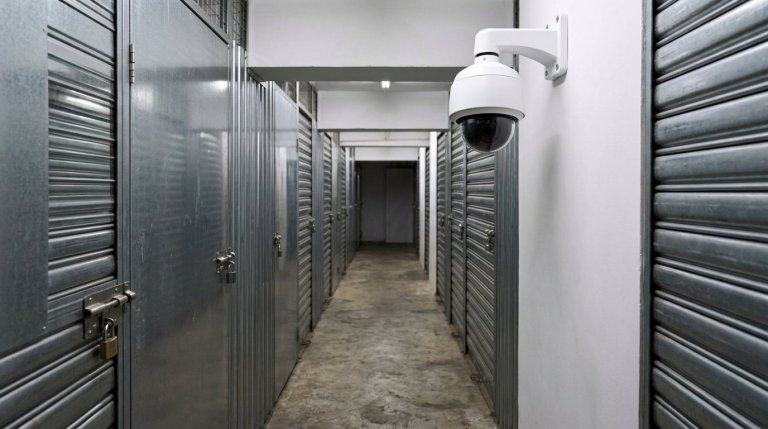

Before booking a viewing at a Hong Kong self-storage facility, first consider your storage needs and book a site visit. During the viewing, you can find out about unit sizes, tenancy periods, deposits and rental arrangements, and then make a decision based on your actual requirements.
Contents: Completing formalities after the viewing, assessing unit size, booking enquiries, tenancy terms and deposits, online bookings, and Lucky Storage’s space options.
Key Points of the Article
- Compiling an inventory of your belongings and clarifying your storage needs before booking a viewing will help you estimate the appropriate unit size and avoid choosing a size based solely on intuition.
- During the viewing, you can assess the actual space and access arrangements, then consider the size of the unit based on the quantity of your belongings and how frequently you’ll need to access them.
- Before renting, clarify the tenancy period, deposit and fee arrangements, and ensure the relevant terms align with your storage plans.
- If you decide to rent after the viewing, you can proceed with the rental formalities and familiarise yourself with how to gain access once your access card has been activated.
- The space calculator allows you to estimate the space required based on your inventory list; self-storage units and mini-offices can be tailored to different storage and work requirements.
Post-Viewing Mini-Storage Rental Procedures and Service Arrangements
After viewing the storage units, first confirm your chosen unit and the rental arrangements. Check each item in turn: the unit size, the intended start date of the tenancy and the purpose of storage. If you originally intended to store household odds and ends but have since added stock for an online shop, you should also specify the types of items and how frequently they will be accessed, to avoid discovering that the arrangements are unsuitable only when you actually start using the space.
Next, familiarise yourself with the tenancy documents and the procedures involved.The information required may vary depending on the specific arrangement. When completing the formalities, submit the details in accordance with the procedures provided by the storage provider and read the terms and conditions carefully. Pay particular attention to how the tenancy period is calculated, the security deposit arrangements, the notice procedures for renewal or termination of the tenancy, and the conditions applicable to the refund of the security deposit. These details should be clarified before signing.
- Check the storage unit: Confirm that the unit listed in the contract matches the one you selected during your viewing.
- Confirm the dates: Make a note of the start date of the tenancy and understand how the initial tenancy period is calculated.
- Read the terms: Review the provisions regarding the security deposit, lease renewal, termination of the lease and the handover of the unit.
- Complete the formalities: Sign the documents as instructed and complete the necessary procedures for the tenancy.
The minimum rental period for self-storage units is generally one month. If the completion date of your renovation works is uncertain, you should find out before signing the tenancy agreement how the tenancy can be extended and when you need to give notice to terminate the tenancy.If you are only storing items temporarily whilst moving house, you can factor in the expected time of collection into your planning to minimise the risk of the tenancy period not matching your actual needs.
Once the formalities are complete, remember to enquire about the activation of your access card. Once you have taken up the tenancy and your access card is activated, you will be able to access your unit 24 hours a day. This arrangement is ideal for online shops that need to collect goods at irregular intervals, and also makes it convenient to store and retrieve items in batches whilst moving house.Before moving your items into the storage facility, confirm how to use the access card and the entry and exit procedures; this will make collecting your items much smoother later on.
Finally, check the storage environment and security arrangements, such as air-conditioning, CCTV surveillance and access control. If you are storing cardboard boxes, clothing or work equipment, arrange the layout according to the nature of the items and ensure there is space to access frequently used items.Keep your tenancy agreement, start date and access card details in a safe place; this will make it easier to check the tenancy period or handle the termination of your tenancy later on.
During your visit, a specialist will assist you in assessing and selecting the appropriate storage unit size
During your visit, a member of staff can help you assess which storage unit is suitable based on your inventory list and intended use.Start by specifying the main items, such as cardboard boxes, clothing, suitcases, documents or online shop stock. Then indicate which items you will need to access frequently. The required storage layout differs between temporarily storing furniture whilst your home is being refurbished and long-term storage of seasonal clothing.
When estimating the required size, it is not just the total number of items that matters; you must also consider the shape of the items, how they will be stacked, and the space required for access.The same number of cardboard boxes, if they are similar in size and can be stacked securely, will be arranged differently from a combination that includes large pieces of furniture. During your visit, please describe the types of items one by one, so that our staff can determine the appropriate space based on how the items will be used, rather than making a decision based solely on the number of boxes.
Hong Kong’s self-storage size calculator can estimate the space required based on an inventory list, with recommended ranges from one square foot to over one hundred and thirty square feet.This estimate serves as a starting point before your visit, and can be adjusted on-site based on your actual belongings. Storage unit sizes range from approximately 6 square feet to 230 square feet, catering to everything from a small number of documents to a larger quantity of household items.
During your visit, you can assess your needs in the following order:
- First, list the types of items, such as cardboard boxes, mattresses or display items.
- Identify items that need to be accessed frequently and reserve a location that is easily accessible.
- Indicate whether you expect to add more items over time, to avoid basing your estimate solely on current quantities.
- Compare this with the recommended sizes to check whether there will still be sufficient space to access your belongings once they are in place.
For example, if online shop stock is to be received and dispatched in batches, boxes should not be arranged too tightly based solely on total volume; leaving space for retrieval will make day-to-day organisation easier. Conversely, for items being stored temporarily whilst moving house—which are not frequently accessed during this period—the assessment should focus on the size of the boxes and whether they can be stacked securely.A specialist can assist you in comparing different storage units based on these differing uses.
If the space is too small, it may be difficult to organise your belongings and access them; if it is too large, it may not meet your actual storage needs.During your visit, go through your list item by item and point out any large or irregularly shaped items; this will help ensure the estimate is as accurate as possible. Finally, confirm that the storage unit is suitable for your intended storage method before deciding on the appropriate size.
Booking enquiries and free storage unit assessment service
When making an enquiry, please specify the branch you’d like to visit and your preferred viewing arrangements. If you’re still unsure which area is most convenient, you can indicate your daily travel routes, such as locations near your home, studio or office. This information will help us focus on the locations you’re most likely to use when arranging your viewing.
A free storage assessment can also help you clarify your actual usage scenarios. In addition to the purpose of the items, you can specify whether you’ll need frequent access, whether you’ll be storing items in batches, and whether the contents are likely to change in the short term. For example, if you’re moving house and plan to store furniture first before adding boxes later, the arrangements may differ from a one-off storage drop-off.
When making an enquiry, you may also ask questions regarding usage, such as whether the storage facility is air-conditioned, what security arrangements are in place, and how access works once your access card has been activated. If you are storing documents, clothing or online shop stock, these questions will help you determine whether the environment and access arrangements are suitable for your purposes. Make a note of your questions in advance so that you can confirm each point during your visit.
Before booking an enquiry, it is worth compiling the following information:
- The area you wish to visit or a location that is convenient for you.
- The purpose of the items, such as temporary storage during renovation, document storage or online shop stock.
- Your anticipated storage method, such as a single delivery or storage in batches.
- The environmental, security and access arrangements you wish to enquire about.
If you are representing a small business or online shop, please also specify whether the items are involved in day-to-day operations. For example, documents may need to be retrieved from time to time, whilst stock may be accessed in batches according to orders. This kind of usage scenario helps to focus your enquiry and makes it easier to understand the practical access arrangements during a viewing, rather than simply discussing the storage unit itself.
It doesn’t matter if your list isn’t complete yet. Simply provide the uses you are aware of and your current arrangements, such as if you are undergoing refurbishment, preparing to move house, or need to organise office documents. If your storage plans change later, you can provide further details during the viewing. By organising the location, intended use and your main queries, the free assessment will be better tailored to your needs.

Tenancy Term and Deposit
It is advisable to consider the tenancy period and security deposit in conjunction with your actual storage plans. If your moving date is fixed, arrangements are straightforward; however, if renovation work is likely to be delayed, you should carefully consider how your existing tenancy arrangements will be handled should you need to extend your storage period. When viewing the storage unit, explain your anticipated dates for moving items in and out to ensure the terms align with your needs.
The length of the tenancy will also affect how you organise your belongings.If you are storing seasonal clothing or spare documents, collection times may be more sporadic; if you are storing furniture temporarily, the key consideration is when you will collect it once the works are complete. When assessing your options, break down the expected storage period into ‘approximate start date’ and ‘circumstances under which it might be delayed’ to better gauge the flexibility of the arrangements.
With regard to the security deposit, the key consideration is not just the amount, but the applicable conditions and how it is handled. Pay attention to how the terms define the condition of the unit, the requirements for clearing out and returning the unit, and the circumstances that may affect the security deposit arrangements.If you are considering changing storage units in the future, you should also clarify how the tenancy terms before and after the change will be coordinated, to avoid assuming that the original arrangements will automatically apply to the new unit.
During your viewing, focus on clarifying the following scenarios:
- How the tenancy arrangements will continue in the event of construction delays.
- How the tenancy terms are handled if you wish to retrieve your belongings early.
- Whether the original deposit arrangements need to be re-processed when changing storage units.
- What clearance and condition requirements must be met before returning the unit?
For example, if renovation works are not completed according to the original schedule, furniture may need to remain in storage.In such cases, it is important to understand whether there is a link between the extension of the tenancy period and the deposit terms, rather than simply making arrangements based on the originally anticipated dates. In the case of online shop stock, consideration should be given to peak and off-peak seasons or fluctuations in stock levels, to ensure that the tenancy arrangements can accommodate changes in storage requirements.
Finally, you should refer to the written terms and clarify any ambiguous wording point by point. Pay particular attention to what arrangements are covered by terms such as ‘commencement of the tenancy’, ‘return of the premises’ and ‘handling of the deposit’.By comparing the terms with your own storage plans, you will be able to judge whether the rental arrangement is suitable, rather than overlooking the overall usage situation simply because of a single condition.
Booking a Viewing and Making a Reservation for a Self-Storage Unit Online
When arranging a viewing appointment for a self-storage unit in Hong Kong, it is essential to clearly state your viewing requirements and distinguish between a ‘viewing appointment’ and a ‘formal tenancy agreement’.When submitting your booking details, specify the area you wish to view, the intended use of the storage space and your preferred viewing times. If you are organising a house move or renovation, you may also briefly indicate when your belongings will need to be stored, to facilitate follow-up arrangements.
Your booking details should be concise and specific. Taking online shop stock as an example, you could specify whether goods will be retrieved frequently; for household storage, you could indicate whether you will mainly be storing furniture or cardboard boxes. This information helps staff identify the key points to focus on during the viewing. If you need to bring someone along for the viewing, please mention this when making the booking to avoid having to rearrange matters upon arrival.
After booking a viewing for a Hong Kong mini-storage unit online, please check that the appointment date, time slot and branch details are correct. Should your plans change, you should update the viewing time in accordance with the arrangements you have received to avoid missing your scheduled slot.Before the viewing, it is also a good idea to prepare a list of questions, such as how the tenancy period is calculated, the terms regarding the security deposit, access arrangements for the unit, and how to proceed with the tenancy formalities after the viewing. Listing your questions in advance makes it easier to address them one by one during the visit.
To book a viewing, please follow the steps below:
- Select a suitable area and submit your preferred viewing time slot.
- Briefly describe the intended use of the unit, such as temporary storage during renovation or for stock.
- Confirm the viewing arrangement and keep a record of the relevant notification.
- Visit the site to view the storage units before deciding whether to proceed with the rental process.
Please note that booking a viewing does not constitute a commitment to rent the unit.If you still need to consider your options after the viewing, you may first compile any unanswered questions before reviewing the booking arrangements and tenancy terms. If you have decided to rent, follow the on-site instructions to complete the formalities, and verify the start date of the tenancy, unit details and access arrangements. This allows you to clearly separate the viewing, decision-making and formal tenancy into distinct steps.
If you need to change your viewing arrangements, please do so as early as possible using the method specified in your booking confirmation, clearly stating the original time slot and your preferred alternative date. If there are changes to the people accompanying you or the purpose of storage, please update your details accordingly.For example, if you originally intended to store only cardboard boxes but have since added large items of furniture, you can discuss the new requirements during your viewing. By carefully confirming each step, you can ensure that your booking details match your actual needs.
Lucky Storage
Lucky Storage can help you organise any questions you may have before viewing a unit into a practical space plan. If you have already drawn up an inventory list, our size calculator can estimate the required storage space based on this list, giving you a reference point before your visit. You can then use this estimate alongside your on-site assessment to make a final decision, rather than having to guess the size based solely on the number of boxes.
For example, household storage might include cardboard boxes, clothing and large pieces of furniture; an online shop, on the other hand, may require regular access to stock. Including item categories and access patterns in your list will ensure the size estimate better reflects your specific usage.If your list is not yet complete, you can start by organising the items you already know you have, and then add any items that are still to be confirmed.
If your needs extend beyond simply storing items and you are looking for a workspace, you may wish to explore mini-office options. Freelancers, small studios or start-up teams should consider how the space will be used based on their day-to-day work requirements – for example, whether they need to store work equipment, documents or samples. Distinguishing between work and storage needs from the outset will make it easier to determine which type of space is suitable for further investigation.
During your viewing, focus on the key points you wish to clarify, such as how the storage unit’s dimensions align with your inventory, what type of storage the unit is best suited for, and how a mini-office would fit in with your team’s work arrangements.After viewing the storage units, make your decision based on the actual space available and the terms of the tenancy. If you are still in a transitional phase—such as moving house, carrying out renovations or organising your belongings—you can start by making an estimate based on your inventory list and gradually narrow down your options.
Lucky Storage’s size calculator is ideal for preliminary estimates; mini-offices, meanwhile, offer an alternative option for those requiring a workspace.Both cater to different needs; you can organise your considerations based on your inventory, intended use and work arrangements, then explore each option in detail during your visit. There’s no need to rush into a decision; by first getting a clear picture of the quantity of your belongings, how you’ll use the space and its intended purpose, you’ll be better placed to compare your requirements.
If you’d like to take the next step, please feel free to contact Lucky Storage to arrange a viewing and discuss space allocation.
Frequently Asked Questions
How can I book a viewing for a mini-storage unit in Hong Kong: online, by phone or via WhatsApp?
All three channels can be used to arrange a viewing. You can submit your viewing details via the online booking system; if you’d like to enquire about unit sizes or tenancy periods first, please call or message us on WhatsApp at 6802 8787.When contacting us, please specify the area you’d like to view, the purpose of storage and your preferred time slot to help us arrange your viewing.