
There is no one-size-fits-all rental plan for self-storage units; rental rates in Hong Kong are influenced by factors such as unit size, location and rental arrangements.It is advisable to familiarise yourself with how to check prices first, before selecting a space based on your actual needs; this will make it easier to understand the differences in charges. The following section summarises the factors worth considering before renting, to help you understand each one in turn.
Key Points of the Article
- Before renting a self-storage unit, consider the types of items you wish to store, your access requirements and the location, then filter your options based on your actual needs.
- Mini-storage units in Kwun Tong are a viable option for nearby households and businesses; when choosing a location, you should also consider the convenience of daily access.
- Compiling an inventory of items to be stored and using a space calculator to estimate the required space will help you avoid choosing a unit based solely on gut feeling.
- Mini-offices can cater to the needs of start-ups, small businesses, freelancers and personal studios; your choice of space should align with your day-to-day requirements.
- Lucky Storage offers self-storage units, mini-offices and a space calculator; please contact our team to discuss the most suitable space arrangement for your needs.
Factors to Consider Before Renting a Self-Storage Unit in Hong Kong
Before looking into Hong Kong self-storage rental rates, start by drawing up an inventory of your belongings, categorising them into boxes, luggage, furniture and goods. Next, estimate the volume of items and how they will be arranged, avoiding the mistake of selecting a unit based solely on the largest item. If you are storing furniture whilst your home is being refurbished, ensure you leave enough space for a clear access route to facilitate the retrieval and storage of frequently used items.
The location should fit in with your daily routine. For household storage, consider a site near your home; for online shop stock, choose a location based on your arrangements for organising and restocking goods. Next, consider how often you’ll need access: weekly collection versus a one-off storage period during a move will have different requirements in terms of convenience.
Finally, consider access arrangements, security facilities, the environment and the tenancy period based on the intended use. When storing documents or clothing, take environmental conditions into account; when storing tools or goods, think carefully about the order in which you will need to access them.When making enquiries, specify the types of items, the expected storage duration and the frequency of access; this will make it easier to find a suitable arrangement.
Kwun Tong Self-Storage: Choosing the Right Storage Space
Kwun Tong self-storage units cater to the household storage needs of local residents and are also suitable for small businesses to store goods, documents or work equipment. When making your choice, first consider the locations where you usually go and how often you’ll need to access your items, and think carefully about whether travelling to and from the storage unit will be convenient. If you need to collect items regularly, access arrangements should be given higher priority than a one-off storage arrangement.
Standard sizes for mini-storage units in Kwun Tong include 20 square feet. This size can serve as a starting point for initial estimates, though the actual space required will depend on the shape of your items, how they are stacked, and whether you need to allow space for accessing your belongings.Cardboard boxes can be neatly stacked; however, long equipment or items that cannot be stacked may take up more space.
Online retailers can start by categorising their stock, separating frequently used items from spare stock to facilitate planning the storage layout.Household users, on the other hand, can draw up a list of items they intend to store, categorising them by purpose, such as for home renovations, moving house or seasonal storage. Taking this list with you when exploring storage options in Kwun Tong will make it easier to judge whether the space is suitable for your specific needs.

Self-storage unit sizes and space planning
When estimating storage space requirements, first categorise your belongings into cardboard boxes, luggage, furniture and equipment, then note down the quantities and approximate dimensions. Do not simply calculate the floor area occupied by items when laid flat; also consider whether boxes can be stacked, how long items will be positioned, and whether space needs to be left for accessing your belongings.For online shop stock, organise items by product category, placing frequently used items in easily accessible locations.
Next, enter the list into the space calculator to estimate the required space based on the type and quantity of items.The calculator serves as a guide for preliminary planning, with recommended ranges from one square foot to over 130 square feet. If your list includes bulky furniture, non-stackable items or boxes that need to be accessed frequently, you should also take the storage layout into account.
Once you have completed your estimate, double-check your list for any omissions, such as electrical appliances or renovation supplies being stored temporarily whilst you move house. If the number of items changes, the estimate will need to be adjusted accordingly; organising everything clearly from the outset makes it easier to plan your storage space according to your actual needs.
Mini-offices: Who are they suitable for in Hong Kong?
Start-ups, small businesses, freelancers and individual studios can all consider a mini-office to meet their day-to-day work needs. If you require a dedicated workspace to store computers, documents or work equipment, a mini-office allows you to separate your work from your home life. Online shop owners can also use it to process orders and handle day-to-day administration.
When selecting a size, first take stock of the number of people working simultaneously, the number of desks and chairs required, and the equipment needed; then consider whether you require space for meetings or document storage.The standard sizes for mini-offices in Kwun Tong are approximately 130, 200 and 400 square feet; you can compare these based on your team size and intended use. The spatial requirements will naturally differ between a small studio where work is primarily computer-based and a team that requires collaboration among multiple people or the installation of equipment.
Start by listing the desks, chairs, equipment and documents you’ll use on a daily basis, then select a suitable size based on your requirements. To find out more about mini-office options, please contact the Lucky Storage team.
Lucky Storage’s Self-Storage Units, Mini-Offices and Size Calculator
Lucky Storage offers self-storage units and mini-offices, along with a size calculator to help you plan your space according to your actual needs.Whether for home storage, temporary storage during renovations, or stock management for small businesses, you can start by drawing up an inventory list and then use the calculator to estimate the storage space required. If you need a workspace, you can consider a mini-office based on the number of team members, as well as the number of desks, chairs and equipment required.
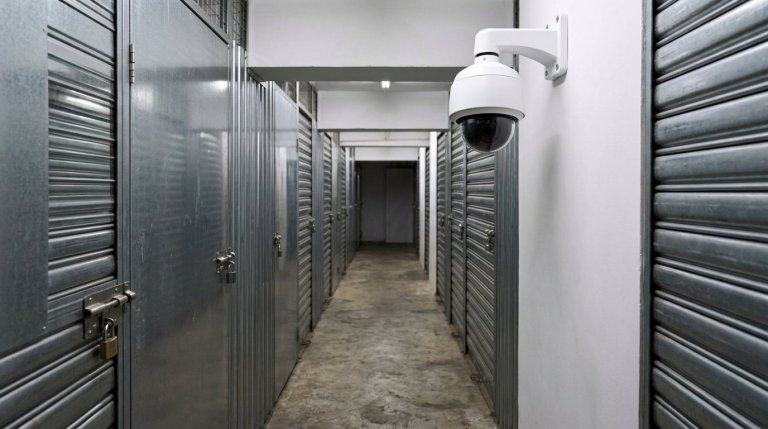
When selecting a unit, it is worth taking into account the location, frequency of access and intended use. Self-storage units are equipped with CCTV surveillance and access control; once you have rented a unit and activated your access card, you can access your unit 24 hours a day.The minimum rental period for a self-storage unit is generally one month, allowing you to plan your storage arrangements flexibly. The calculator provides a preliminary estimate; once you have finalised your inventory list, it will be easier to specify the quantity and volume of your items.
If you’d like to find out which storage solution is right for you, please feel free to contact Lucky Storage.
Organise your requirements first, then take the next step
Once you understand how to check mini-storage rental rates in Hong Kong, you can start by compiling an inventory of your belongings, determining the purpose of storage and your anticipated tenancy period, and noting any future access requirements. This information will help you articulate your situation more clearly and make it easier to consider suitable storage arrangements step by step.If you are still weighing up different uses, simply clarify the space issue you most need to resolve.
The Lucky Storage team is well-versed in storage planning and space utilisation and can provide relevant information tailored to your needs. When you’re ready to find out more, please feel free to contact Lucky Storage to establish a clear direction for your next steps.