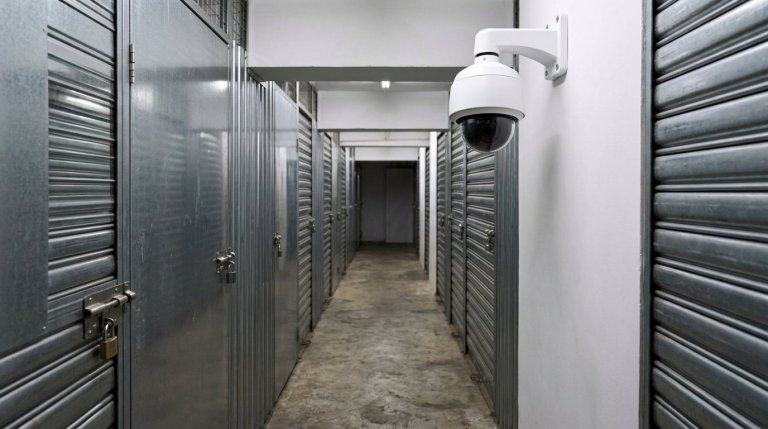
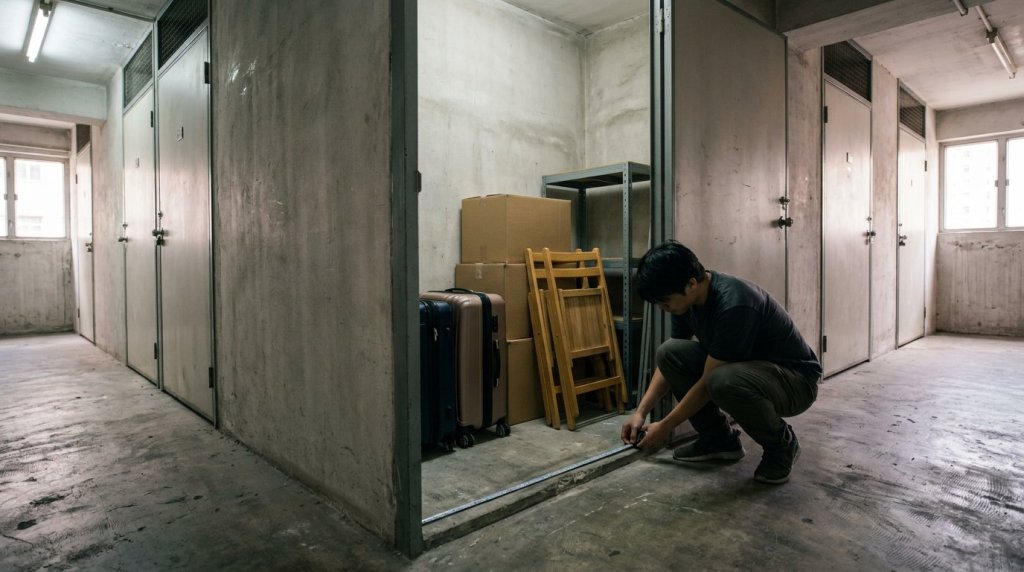
Monthly rental charges for self-storage units are primarily calculated based on the amount of space required and the duration of the tenancy. Generally, the larger the unit, the higher the cost; the length of the tenancy, in turn, affects your overall expenditure. Actual charges will be quoted according to individual requirements; understanding these two factors will help you make a more informed choice when selecting a storage unit.
Are you looking to store a few boxes of odds and ends, or do you need to store furniture and household goods as well? If you overestimate the space required, you risk exceeding your budget; if you underestimate it, your belongings may not all fit.This article will break down how storage unit size and lease duration affect your storage budget, and explain how to identify the most suitable space based on the quantity of your belongings and your usage requirements.
Key points of the article
- First, estimate the space required based on the type and approximate quantity of your belongings to avoid renting a unit that is too large and to minimise the risk of items not fitting.
- The length of the tenancy period affects your overall storage budget; when estimating, be sure to factor in how long you expect to store your belongings.
- When comparing options, do not focus solely on unit size; weigh up the space against the rental period as well.
- Using a space calculator to organise your storage needs can help you estimate the right amount of space more effectively.
- If you need to store items or set up a workspace, explore the options for self-storage units and mini-offices.
Monthly Storage Unit Rent
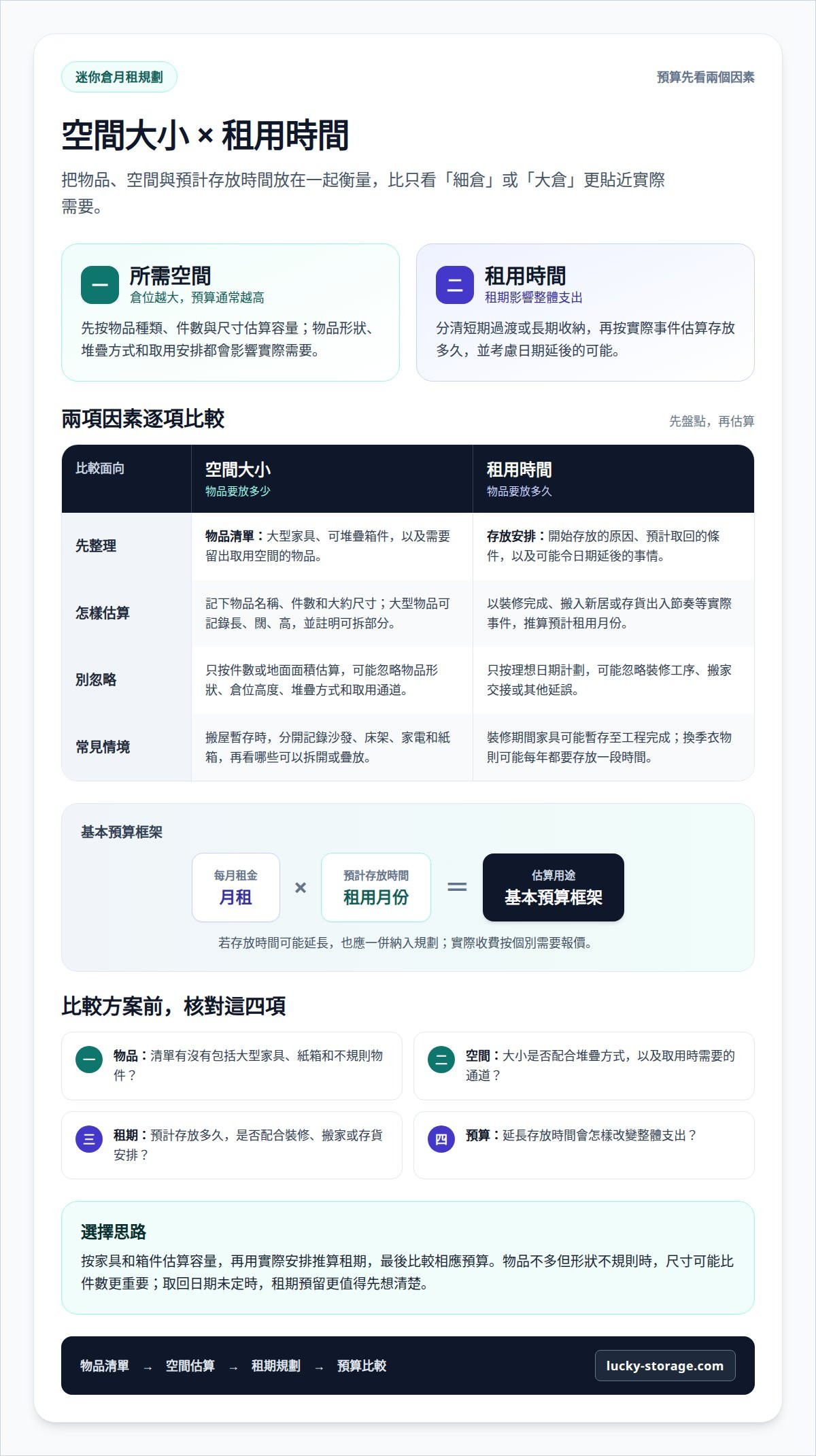
When planning your storage budget in Hong Kong, there are two key factors to consider: how much space you need and how long you expect to rent for. Monthly storage rental costs are not determined solely by whether a unit is ‘small’ or ‘large’; even for the same set of items, the space required may vary depending on how well they are stacked.It is more practical to list your belongings first and then estimate the rental period, rather than simply looking at the unit size.
Space requirements are usually the main consideration when budgeting. Cardboard boxes, suitcases, folding chairs and mattresses all take up space in different ways.Estimating based solely on the number of items can easily overlook large pieces of furniture or irregularly shaped objects. Take temporary storage during a house move as an example: first, record sofas, bed frames, electrical appliances and cardboard boxes separately, then assess which items can be dismantled or stacked to gain a clearer understanding of the capacity required.
Before estimating, you can categorise your belongings into three groups: large furniture, stackable boxes, and items that require access space. If a bed frame can be dismantled, it will be easier to arrange than when fully assembled; cardboard boxes of similar sizes are easier to stack neatly; and frequently used documents or tools should not be buried at the very bottom.The list need not be complicated; simply noting the item names, quantities and approximate dimensions is sufficient to avoid choosing a storage unit based solely on memory.
The height of the storage unit and the arrangement of items will also affect the actual usable space. Stacking boxes high may not be suitable for every item; fragile items, heavy items and those required for daily use all need to be placed in different locations.If you need to store large items such as wardrobes, tables or chairs, first record their length, width and height, then calculate the dimensions of any detachable parts, such as doors, drawers or legs, separately. This step helps to avoid estimating based solely on floor area, which may overlook the item’s actual shape.
Location also influences your choice. If items need to be retrieved in batches to coincide with renovation works, a storage unit close to your home or the worksite may be more convenient for making trips back and forth; if you are simply storing a batch of items that will not be used for the short term, you should prioritise comparing the suitability of the space.Take the example of moving house in Tsuen Wan whilst working in Kwun Tong: first, consider clearly where the items will be used, then weigh up ease of access against your budget; there is no need to choose a larger storage unit simply because it is the closest.
The tenancy period affects your overall expenditure. First, clarify whether this is for short-term transitional storage or long-term storage: furniture during renovation may only need to be stored until the work is completed, whilst seasonal clothing may need to be stored for a period each year. If rent is charged monthly, multiply the monthly rent by the estimated number of months to establish a basic budget framework.You should also factor in potential delays into your planning to avoid basing your arrangements solely on the most optimistic completion date.
Estimate the rental period based on actual events, rather than just the calendar. For renovations, you’ll need to wait until the work is finished; for moving house, until the new home is ready for occupancy; and for business stock, you’ll need to align with the rhythm of stock movements. You can make a checklist noting the reason for starting storage, the conditions under which you expect to retrieve your items, and any circumstances that might cause delays.For example, furniture will need to be stored until the handover of the new home is complete; specifying this condition makes it easier to set aside a budget than simply noting an estimated month.
When comparing different options, it is advisable to check the following points one by one:
- Does the inventory list include large furniture, cardboard boxes and irregularly shaped items?
- Is the storage unit size suitable for the stacking method and the access routes required when retrieving items?
- Does the anticipated rental period align with your renovation, removal or storage arrangements?
- How the monthly rent is factored into the estimated rental period, and how extending the storage period would affect the total budget.
Finally, combine ‘items, space and time’ on a single checklist. First, estimate the capacity based on furniture and boxes; then calculate the rental period based on your actual arrangements; and finally, compare the corresponding budgets.If you have few items but they are irregularly shaped, dimensions may be more important than the number of items; if the items are fixed but the collection date is uncertain, it is worth thinking carefully about the rental period in advance. By comparing these factors, you can avoid simply choosing the smallest unit or focusing solely on the monthly figure, whilst overlooking your actual storage needs.
Lucky Storage: Self-Storage
Lucky Storage’s size calculator can help you organise your belongings and estimate the space required, ensuring your budget planning better aligns with your actual storage needs.Start by entering details of your items, such as furniture and boxes, then assess your requirements based on the expected storage duration. This way, you won’t be choosing a unit based solely on a gut feeling. If you’re looking for a workspace rather than simply storage, a mini-office is another option worth considering.
When preparing to enquire, it’s a good idea to make a note of your main items, whether you’ll need regular access to them, and when you expect to collect them. This information will help you explain your requirements more clearly and discuss suitable spaces and tenancy periods. If you’d like to find out more based on your specific storage arrangements, please contact Lucky Storage.
Turning your storage plan into the next step
Once you’ve chosen a space, it’s a good idea to draw up a list of the items you plan to store and how you intend to access them. This way, when planning your monthly self-storage rental, you can discuss options based on your actual needs, rather than making a decision based solely on the name of the unit. Monthly rental quotes are provided on an individual basis, depending primarily on the space required and the duration of the tenancy.
If your storage arrangements are still subject to change, you can start by clarifying which items need to be stored and which need to remain within easy reach, then use this list to identify the most suitable options. Please feel free to contact Lucky Storage to enquire about monthly rental rates, and work step by step to organise a solution that suits your needs.