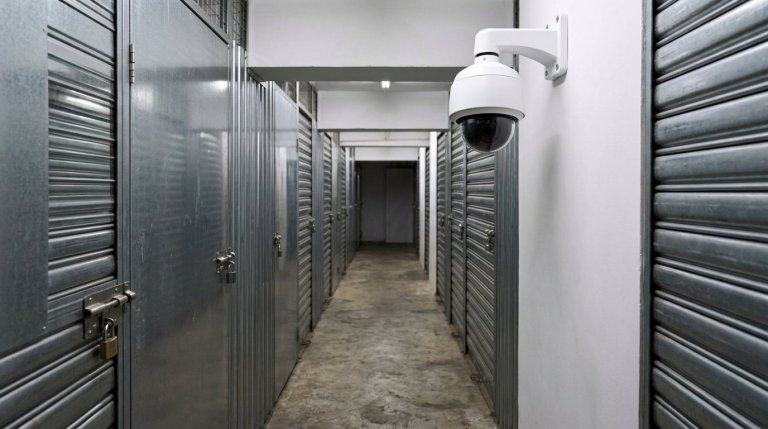
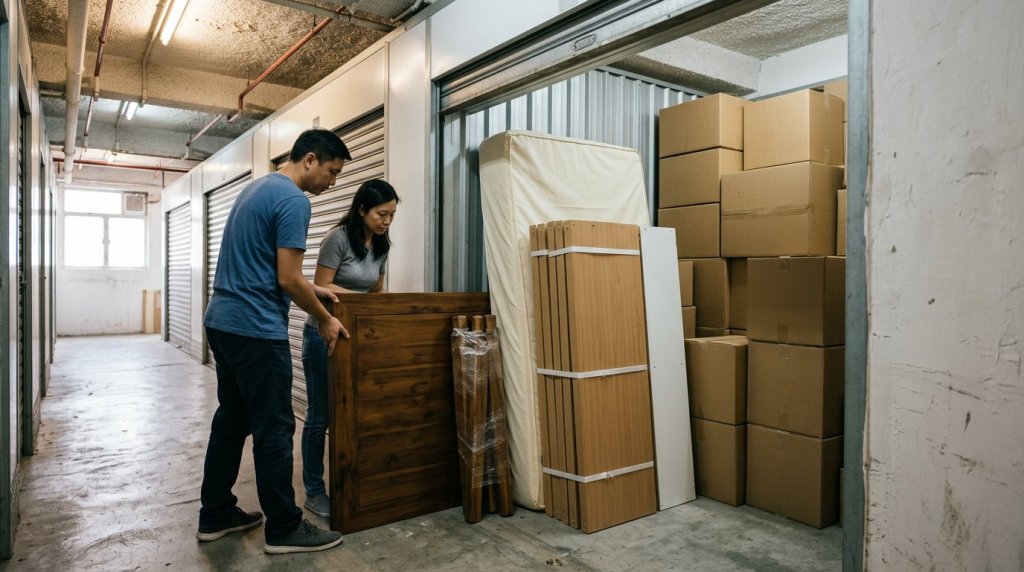
When carrying out a full-house renovation, arranging for temporary storage of your furniture first allows for better planning of the workspace; the minimum rental period for a mini-storage unit for short-term furniture storage during a full-house renovation is generally one month. You can arrange for your items to be stored according to the renovation schedule and prepare an inventory list in advance to make it easier to retrieve them later.
This article covers storage checklists, temporary storage during renovation, packing and organisation, storage rental and removal charges, as well as arrangements for the gap period between moving out and moving in.Contents: Storage checklist and restoration upon collection, temporary furniture storage during whole-house refurbishment, sorting and packing before storage, storage and return transport fees, storage during the gap period between moving out and handing over the property, Lucky Storage.
Key Points of the Article
- Organise your inventory list first by the purpose and size of your furniture; this makes it easier to estimate the storage space required and facilitates retrieving items later.
- Coordinate storage entry and retrieval with the renovation schedule, allowing for delays in the works or gaps between handover dates.
- Pack items properly and label boxes and disassembled furniture clearly; this will make it easier to sort them by room and purpose when you set them up again.
- Storage rental and transport arrangements can be considered separately; understanding the factors that affect charges will help you plan your overall budget in advance.
- If moving dates do not align, select a suitable storage unit based on the items to be stored temporarily and the required rental period.
Inventory List and Restoring Items Upon Collection
Draw up an inventory before storing your belongings. Do not simply write ‘living room odds and ends’. Instead, note ‘three-seater sofa, wooden coffee table, floor lamp’.Each item of furniture should be listed with its name, quantity and the room it belongs to. If there are drawers or accessories, note these as well. This inventory will help estimate the space required and make it easier to check items when collecting them.
You can categorise items by room and assign codes to them. For example, use ‘Lou’ for the living room and ‘Bed’ for the bedroom. Label cardboard boxes ‘Lou 1’ or ‘Bed 2’, and include the same codes on the inventory list. This way, if you encounter identical boxes, the labels will help you identify their contents.Add a prominent warning to boxes containing fragile items, and make a note of their contents to avoid having to unpack every box one by one when unpacking.
- Large furniture: Note down the names of items such as sofas, bed frames, wardrobes and dining tables, and indicate whether they have been dismantled.
- Loose parts: Make a list of screws, shelves, bed frame parts and remote controls, etc., store them together and label them with the corresponding piece of furniture.
- Items in cardboard boxes: Record the room, box number and approximate contents, for example, ‘Kitchen, crockery’.
- Items not to be stored for the time being: Mark items that will still be needed during the renovation to prevent them from getting mixed up with the storage boxes.
Take photographs before dismantling furniture. Capture the original position, connection points and screw arrangements; this will make reassembly easier later on.Place the removed parts into sealed bags and label them with the name of the corresponding piece of furniture. If a bed frame is dismantled into several parts, ensure the bags containing the parts are stored with the same set of the bed frame to avoid discovering, upon collection from storage, that the parts are scattered across different boxes.
Before collecting your belongings from storage, plan the order in which the furniture will be returned based on the floor plan of your new home or the layout following renovation.Whether to collect large items of furniture or everyday essentials first depends on the available space in the new home and the sequence of installation. You may mark the list with ‘Collect first’ or ‘Collect later’. If only the living room has been completed, you can arrange for the living room furniture to be delivered first; items for rooms still under construction can remain in storage for the time being.
Upon collection, check each item against the list. Start with large pieces of furniture and disassembled parts, then take stock of the box codes. If an item’s name is unclear, refer to the photos and notes taken when storing the items first; do not rush to unpack the boxes.When organising a mini-storage facility for temporary furniture storage during a full-house renovation, the focus is not merely on storage, but also on ensuring that every item can be located, identified and returned to its original position upon collection.
Temporary storage of furniture during whole-house renovation
Plan the sequence of works before the renovation begins. Demolishing walls, laying flooring and painting all have their own order of priority. If large items of furniture are left within the work area, they will hinder the tradespeople’s work and may need to be moved repeatedly.You can plan the clearance schedule in accordance with the sequence of the works. It is advisable to arrange for furniture to be stored at least three to five days before the start of the renovation, allowing time to organise your belongings and coordinate the move.
When renovating the entire property, first determine which rooms will be worked on simultaneously. If the living room and bedrooms are being worked on at the same time, sofas, bed frames, wardrobes and dining tables may all need to be moved.If work on the kitchen is scheduled to begin later, pay attention to access routes and the scope of the works to ensure large items do not obstruct transport routes. Lay out the construction plans or a room list and mark each area as ‘to be cleared’, ‘to be left in place’ or ‘to be arranged’ to help you keep track of when each area needs to be cleared.
Secondly, distinguish between essentials and items to be temporarily stored. Clothes, documents and daily necessities that you will still need during the renovation can be gathered in a corner where work is not taking place, whilst ensuring clear access routes are maintained. If you still need to use mattresses or frequently used tables and chairs, first make temporary accommodation arrangements before deciding whether to move them as well.Do not mix everyday items with sealed boxes containing furniture fittings; otherwise, you may have to rummage through several boxes when you need to access them.
- Before the works begin: Clear out large pieces of furniture according to the scope of the works to avoid having to move them in a hurry once dismantling has begun.
- During the works: Group items that are still needed in a safe, easily accessible location, keeping them separate from the renovation materials.
- After the works: Ensure that the floors, walls and rooms are ready for the furniture to be returned before arranging for it to be brought back in batches.
The tenancy period should also align with the pace of the renovation work. Renovation dates may change due to the sequencing of tasks; when estimating the duration of temporary storage, you should take into account the arrangements for construction, cleaning and the return of furniture.If there is still uncertainty regarding the completion date, plan according to the anticipated sequence of completion and move-in, and allow time for dealing with any lease extensions. This is more effective than simply focusing on the start date, as it minimises the gap between the storage lease period and the time when the flat is actually ready for use.
If the renovation is carried out in stages, it is not necessary to retrieve all the furniture on the same day. Essential furniture can be returned to rooms that are completed first, whilst areas still under construction should be kept clear.Before making arrangements, clearly list the order of completion, the intended use of each piece of furniture and the sequence in which items will be returned. This ensures that the storage period aligns with the progress of the works, rather than being determined solely by the original completion date.

Tips for sorting and packing before storage
Sort first, then pack. Divide furniture and miscellaneous items into the following categories: ‘for storage’, ‘for use during renovation’ and ‘to be discarded’. Do not store clothes from old wardrobes together with the wardrobes themselves; remove the clothes first, then decide whether to store them.Appliances such as fridges and washing machines should also be emptied of their contents first. This prevents unnecessary items from being moved into the storage unit.
Cardboard boxes should be categorised by contents and intended use. Keep kitchen crockery separate from living room books to avoid having to search through every box when unpacking. Label each box with the room, contents and order of retrieval, for example, ‘Bedroom, bed linen, retrieve last’.Labels should be placed in a clearly visible position so that they remain legible even when boxes are stacked with their sides facing outwards. If a box contains fragile items, clearly mark it ‘Fragile’ and wrap items such as glass cups and photo frames separately.
- Clothes: Wash and dry thoroughly before folding and placing them in boxes or storage bags; keep coats separate from bed linen so they can be taken straight back to the correct rooms when unpacking.
- Crockery: Wrap each bowl and plate individually; group cups and glassware separately; fill any gaps in the box with soft padding to minimise items knocking against one another.
- Books: Pack them in small boxes; do not place whole stacks of books in a single large cardboard box. This makes them easier to handle securely during the move and simpler to locate by category.
- Cables and accessories: Once removed, organise them into sets and label them according to the appliance they belong to, for example, ‘TV cable’ or ‘bed frame screws’, to prevent them from getting mixed up after collection.
For large items of furniture, first empty all drawers and cupboards. Removable shelves should be taken out and kept together with the corresponding piece of furniture;dismantled screws should be placed in a sealed bag and labelled with the name of the item of furniture. Surfaces such as sofas and mattresses should be wrapped securely in suitable protective covers to prevent direct friction during transport. Before packing, check that the furniture is dry; surfaces that have just been wiped with a damp cloth must be left to dry before wrapping.
Ensure each box is light enough to be carried easily. If a box is too heavy to lift, divide its contents; do not overfill boxes simply to save on cardboard.Before sealing the box, check that the base is stable. Once the box is securely sealed, write a summary of the contents on the outside. This summary does not need to list every single item; simply note the main categories, such as ‘living room, tea set and photo frames’, to allow for quick identification.
Finally, label items for immediate access separately from those intended for long-term storage. Tools, documents or spare clothing that you will still need during the renovation should not be packed into boxes at the very bottom. Label these boxes ‘Priority Access’ and note the room and category of contents on the inventory list.Once you have finished organising, check each room to ensure that furniture to be stored has been cleared out, accessories have been packed away and box labels are clear, before arranging for them to be moved to the storage facility.
Storage and Transport Fees
When drawing up your budget, separate the costs into two categories. The first is storage unit hire, and the second is furniture removal. Delivery to and collection from the storage facility are usually arranged separately, so be sure to include both journeys in your planning. If you only factor in the cost of delivery, you may easily underestimate the total expenditure for the entire renovation period.You may first estimate the storage space required based on your inventory list, then organise the collection and delivery addresses, types of furniture and dates, to help you understand what is covered by the quotation.
Storage rental costs are primarily influenced by the amount of space used and the duration of the hire. If you have a lot of furniture or bulky items, you will usually require a larger storage unit; the storage period should be aligned with the progress of the renovation work.Take a full-house refurbishment as an example: in addition to sofas and bed frames, you must also factor in removed cupboard doors, shelves, white goods and cardboard boxes. If you base your estimate solely on large items of furniture, you may overlook the space taken up by smaller, miscellaneous items.
The removal arrangements depend on the quantity and size of the items, the route to be taken, and the addresses at both ends. Large items such as sofas and wardrobes require different arrangements to a batch of pre-packed clothes.The floor level of the property, lift availability, loading and unloading points, and whether items need to be dismantled will also affect the scope of work. Listing all this information together makes it easier to clarify the scope of the removal service covered by the quotation.
- Storage: Estimate based on the total volume of furniture and boxes, taking into account the duration of the hire.
- Move-in: Specify the collection address, floor level, lift availability and any large items.
- Removal from storage: Provide the delivery address and specify whether items are to be collected in batches or all at once.
- Additional tasks: Specify any items requiring dismantling, reassembly or special handling.
When arranging a two-way removal, clarify the scope of the service first. Transporting furniture from your home to the storage facility, and later from the storage facility to your new home, are two separate journeys.If you plan to restore your home room by room following renovation, please specify which items are to be collected first and which should be left until later. These details will affect the order of the move and the necessary arrangements; the total workload cannot be determined solely by the number of boxes.
Actual charges are determined on a case-by-case basis and are calculated according to the size of the storage unit, the rental period, the quantity of items, the transport routes and the required procedures.Preparing a list in advance, along with addresses and the dates for storage entry and collection, helps to clarify your requirements in one go and makes it easier to verify the items included in the quotation. Finally, you should confirm separately the rental period, storage entry arrangements, collection arrangements and any additional procedures that may be involved, to avoid mistaking a one-way move for a return service.
Storage during the gap between moving out and moving in
If you need to vacate your old home but cannot move into your new one immediately, you will need to arrange temporary storage for your furniture. Start by listing the handover date of your old home, the date your new home is ready to receive your belongings, and the completion date of any renovation works on a single timeline, then identify the gap in between.Sofas, bed frames, dining tables and large household appliances can be temporarily stored depending on the handover progress of your new home; however, keep documents, medication and everyday clothing with you to avoid storing items you may need urgently.
The tenancy period should be arranged according to your actual storage needs. The standard minimum tenancy period for a mini-storage unit is one month, so even if the gap is short, you must factor this into your planning. If the handover date for your new home is not yet confirmed, you can plan for both an earliest and a later move-in scenario, and then consider how to coordinate the tenancy periods accordingly.Do not base your storage duration solely on the handover date; you must also factor in the sequence of events such as the handover of your new home, cleaning, and the return and installation of furniture.
Before storing your belongings, group them according to the layout of your new home. Labelling items with notes such as ‘Deliver to bedroom first’, ‘Living room – to be assembled’ or ‘Do not collect for the time being’ will prevent all your belongings from being delivered to a flat that is not yet ready.If only the bedrooms are initially accessible in the new home, you can collect the bed frame and mattress first; living room furniture can be arranged once the flooring and walls have been finished. This phased retrieval approach is suitable for households where the handover date and move-in date do not align perfectly.
- Before handover: Confirm which items of furniture must be removed and organise a checklist by room.
- During temporary storage: Keep a list of items in storage and note the order of priority for delivery to the new home.
- After taking possession of the new home: Arrange for items to be collected according to which rooms are actually available; there is no need to move everything back in one go.
- If dates change: Should you need to extend your tenancy, it is advisable to arrange the renewal three to five days before the original tenancy period expires.
The move must also be coordinated between both addresses. When storing items, specify the floor of the old property, the loading and unloading points, and the dimensions of large items of furniture; when collecting items, provide the address of the new property and the available time slots for collection.If your new home is still undergoing handover or renovation, arrange for the furniture to be stored in the warehouse first; this is easier to manage than having it delivered to a property where it cannot yet be placed. Should the removal date change, ensure that the storage period and collection schedule are updated accordingly.
Finally, cross-check the handover checklist against the storage inventory list. Confirm each item—wardrobes, electrical appliances, boxes and dismantled fittings—one by one, and keep a record of addresses, dates and the order in which items are to be collected. If the tenancy is nearing its end and the new home is not yet ready for occupation, arrange for an extension in good time to avoid the tenancy period and the move-in date overlapping.By prioritising tasks according to the handover date, the tenancy period and the availability of your new home to receive deliveries, it will be easier to manage any gaps between tenancies.
Lucky Storage
Lucky Storage’s size calculator allows you to estimate the storage space required based on your furniture list. You can organise items such as sofas, bed frames, wardrobes and boxes, then use the list to make a preliminary estimate, providing a more reliable basis for storage arrangements during the gap between renovations or moves.If you also require temporary workspace, you may wish to explore our mini-office options. Please feel free to contact Lucky Storage to discuss suitable arrangements based on your inventory list.
Frequently Asked Questions
Which items of furniture should be stored temporarily during renovation?
First, categorise them according to the scope of the works and the layout of your new home. Furniture that will obstruct the works can be included on the storage list; everyday items that you still need to use should be stored separately.
How do I estimate the storage space required?
Make a list of all large furniture, white goods and cardboard boxes, noting their dimensions and quantities, then estimate the total volume. If you only count furniture and omit the boxes, you are likely to underestimate your space requirements.
How can you minimise the time spent searching for items when collecting them from storage?
Label the boxes with the room and the category of contents, and mark any removed parts—such as screws and shelves—to indicate which piece of furniture they belong to. When collecting your belongings, check against your list and arrange them according to the order in which they will be put back in each room.