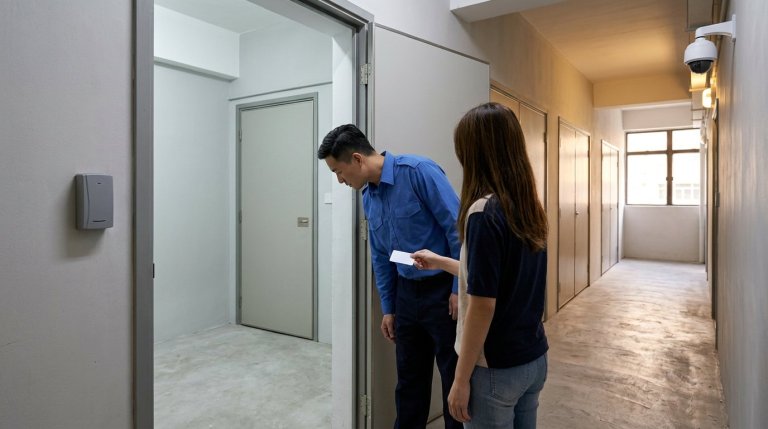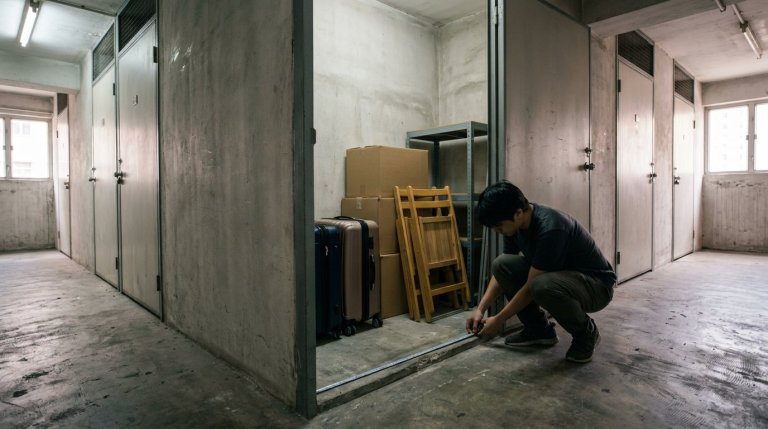

During renovation work, a one-month short-term rental of a self-storage unit can be used to temporarily store furniture and everyday items; the minimum rental period for self-storage units is generally one month. To ensure your belongings are already in storage by the time the renovation work begins, we recommend allowing at least three to five days to arrange the move-in, and estimating the space required based on the progress of the renovation and the volume of your belongings.This article explains the arrangements for a one-month short-term hire, the types of items suitable for temporary storage, and how to manage your storage needs before and after the renovation work, making it easier for you to plan when to move your belongings in and collect them.
Key Points
- The minimum rental period for a self-storage unit is generally one month, making it suitable for the temporary storage of furniture and household items whilst renovation works are underway.
- Allow at least three to five days to arrange for your belongings to be moved into the storage unit; this makes it easier to coordinate with the start of the renovation work.
- First, draw up a list of items to be stored, then estimate the space required to avoid booking a unit that is too large or too small.
- Plan when to collect your belongings according to the progress of the renovation; frequently used items should be placed in an easily accessible location.
- Once you have rented the unit and activated your access card, you can access your storage space 24 hours a day.

Short-term mini-storage rental for one month during renovation
When arranging temporary storage for a month, you need to consider not only when the renovation work will start, but also which areas of your home will be affected. If you are only renovating a bedroom, you can start by focusing on the bed frame, mattress and the contents of the wardrobe; if work is being carried out in the kitchen, you will also need to rearrange storage for crockery, small electrical appliances and spare food supplies.By listing the affected rooms one by one, it becomes easier to determine which items must be moved out and which can remain in areas not undergoing renovation.
First, identify why items need to be removed from the property
Some items need to be temporarily stored because the work area will occupy their original space; others need to be moved to allow tradespeople sufficient working space. The approach to organising these items differs in each case. If a sofa is merely being moved away from the wall in the living room, it may still be left in the home; however, if work is to be carried out on the walls, floors and ceiling, you should consider removing the entire piece.Labelling each item as ‘required for works’ or ‘no space at home’ will prevent you from moving out items that do not need to be removed.
You may also wish to agree with your household members on which areas to use temporarily. For example, set aside rooms not undergoing renovation for daily living, whilst ensuring a clear path to the front door; organise items requiring renovation by room. If there are elderly people, children or those who need to work from home, it is particularly important to plan in advance where frequently used items will be kept.These practical considerations will influence which items are suitable for temporary storage, as well as when you would like to have them returned.
Record the condition of items and where parts were removed
Before moving out, take photographs of large pieces of furniture with your mobile phone, particularly any parts that are already scratched or loose. Removed shelves, doors and fittings should be sorted by their original components, and the name of the furniture and its location should be clearly labelled on the bags.The photographs and labels will help you identify parts later on, minimising the need to try each piece individually during reassembly. If there are glass doors or mirrors, mark the fragile sides separately so they are easier to recognise when handling.
You can also be more specific when labelling cardboard boxes. Rather than simply writing ‘miscellaneous’, specify ‘living room audio-visual cables’ or ‘study documents’. If items of the same type are packed into multiple boxes, assign a simple box number and note the contents of each box in your mobile phone’s notes app.This way, even whilst the renovation work is still in progress, you’ll be able to locate items by their intended use without having to open every box. Important documents, valuables and everyday essentials should be stored separately and not mixed in with general renovation debris.
Align the retrieval sequence with the organisation of your new home
Once items have been collected, it may not be possible to put them back in their original places straight away. Freshly painted surfaces or newly fitted cupboards may still need cleaning, and furniture may need to be positioned first before you know how to allocate storage space.You can organise the retrieval order by ‘restoring basic living arrangements first, then organising non-essential items’; for example, deal with bedding and essential clothing first, followed by decorative items, spare utensils and books. This approach ensures items have a clear destination upon returning home, preventing boxes from being left piled up in corridors or newly fitted rooms for extended periods.
If the scope of the works changes at short notice, update the list of affected rooms and items first, then rearrange which items need to be removed from the property.When there are changes to the renovation schedule, family members should also be kept informed of where items are stored and which boxes should not be retrieved for the time being. Planning for a one-month mini-storage rental during renovation involves more than just calculating storage space; by considering the flow of movement within the home, the purpose of each item and the order of re-arrangement, it becomes much easier to ensure that the temporary storage arrangements align with your actual daily life.
Lucky Storage
Lucky Storage can cater to your temporary storage needs during renovation and provides a space calculator to estimate the required space based on your inventory list.By listing large items of furniture, cardboard boxes and household goods you wish to keep, and then entering each item into the calculator, you can plan your storage space more effectively, minimising discrepancies that can arise from estimating based solely on the number of boxes.
If you also require a separate workspace whilst the renovation is underway, Lucky Storage offers mini-office options. You can consider which type of space best suits your current needs based on the scope of your home renovation, the quantity of your belongings and your daily work schedule. If you’d like to organise a short-term storage arrangement, please feel free to contact Lucky Storage to discuss the most suitable options based on your belongings and renovation schedule.
Frequently Asked Questions
Once I’ve rented a mini-storage unit, what are the access hours?
Once you have rented a unit and activated your access card, you may access your storage unit 24 hours a day. If you need to collect or drop off items at different times, this arrangement can accommodate the irregular daily schedule typical of a renovation period.
What are the environmental and security arrangements for the mini-storage units?
The storage facility is air-conditioned and features CCTV surveillance and access control. When organising your belongings, you can sort them by purpose and label them clearly for easy identification and retrieval in the future.